
2 years ago
Kamran Shamsi
Lenovo is no stranger to the gaming industry, with its Legion brand offering a range of laptops, desktops, monitors and accessories for gamers. But now, the company is venturing into a new territory: handheld PC gaming.
According to a report from **Windows Central**, Lenovo is working on a handheld device called the Legion Go, which will run on Windows 11 and compete with Valve's Steam Deck and ASUS' ROG Ally. The report cites sources inside Lenovo who confirmed the project's existence but did not provide details on the release date or pricing.
The Legion Go is said to feature an 8-inch display, which is slightly larger than the 7-inch screens of the Steam Deck and the ROG Ally. It will also be powered by one of AMD's Phoenix 7040-series APUs based on the Zen 4 CPU architecture and the RDNA 3 GPU architecture. These APUs are expected to deliver high performance and efficiency for handheld gaming.
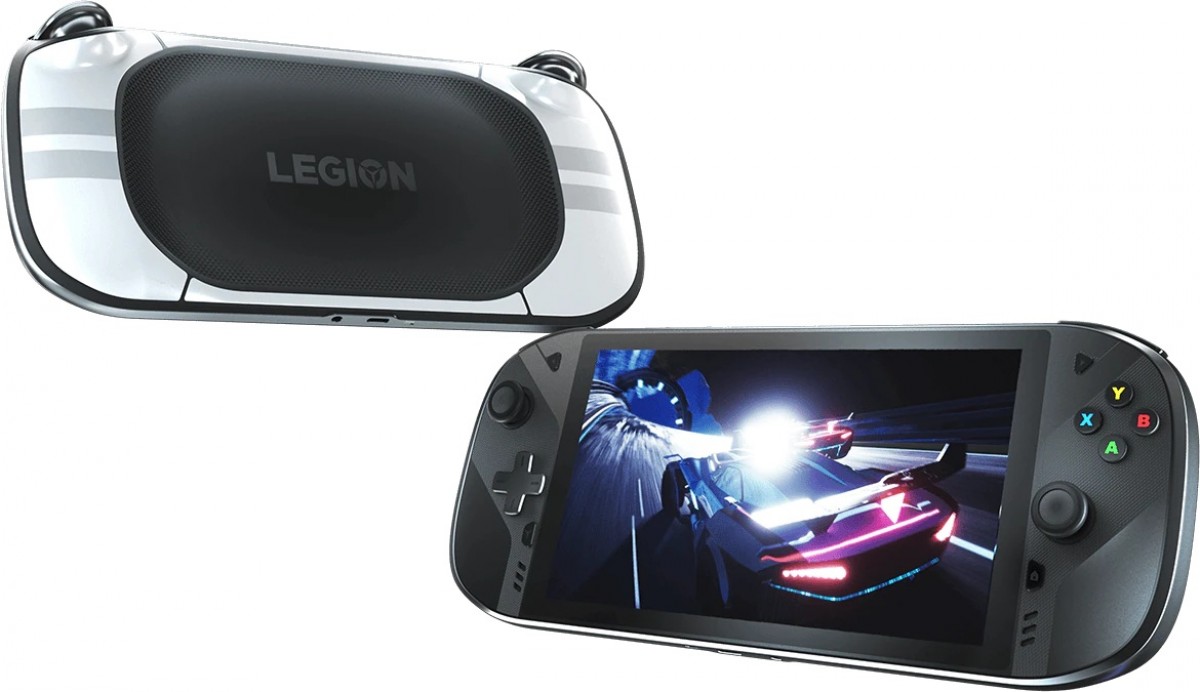
The report also suggests that the Legion Go will have a similar design to the Legion Play (pictured below), an Android-based handheld that Lenovo worked on a few years ago but has yet to be released. The Legion Play had a clamshell design with detachable controllers, similar to the Nintendo Switch. However, whether Legion Go will retain this feature or opt for a more conventional layout is still being determined.
https://stock-checker.com/uploads/LenovoLegionPlay.png
The Legion Go will face some tough competition in the handheld PC gaming market, which has seen a resurgence in recent years thanks to the popularity of the Nintendo Switch and the emergence of new devices like the Steam Deck and the ROG Ally.
The Steam Deck, announced by Valve in July 2022 and shipping in February 2023, is arguably the most successful handheld PC gaming device. It has sold over 2 million units in its first month, according to **SteamDB**. It has received positive reviews from critics and users alike. The Steam Deck runs on a custom version of SteamOS, which uses Valve's Proton compatibility layer to run Windows games without any porting work from developers. It also allows users to install other operating systems and software on the device, making it a versatile and open platform.
The ROG Ally, which ASUS launched in May 2023, is another Windows 11-powered handheld that aims to offer a premium PC gaming experience on the go. It features an AMD Ryzen Z1 Extreme processor with Radeon graphics, a 1080p 120Hz display, and Dolby Atmos speakers. It also comes with three months of Xbox Game Pass Ultimate for free, giving users access to hundreds of games on PC and cloud. However, the ROG Ally has also faced criticism for its high price tag (£699), battery life (up to 6 hours), and compatibility issues with some games.
https://stock-checker.com/uploads/SteamDeckxASUSROGAlly.png
Lenovo's Legion Go could offer a middle ground between the Steam Deck and the ROG Ally, with a bigger screen, a more powerful processor, and a lower price than the latter. However, it remains to be seen how well it will handle Windows 11 as a handheld operating system, how compatible it will be with different games and applications, and how long it will last on a single charge.
Lenovo has yet to officially confirm or deny Legion Go's existence, so we will have to wait for more information from the company or other sources. Until then, handheld PC gaming enthusiasts can look forward to another possible option in this growing market segment.
**Disclaimers**
[Kamran Shamsi](https://mobile.twitter.com/kamrann64) is a gaming and technology journalist for Stock Checker.
Images in this article belong to Lenovo, Valve, and ASUS.