
5 months ago
Talha Sonmez
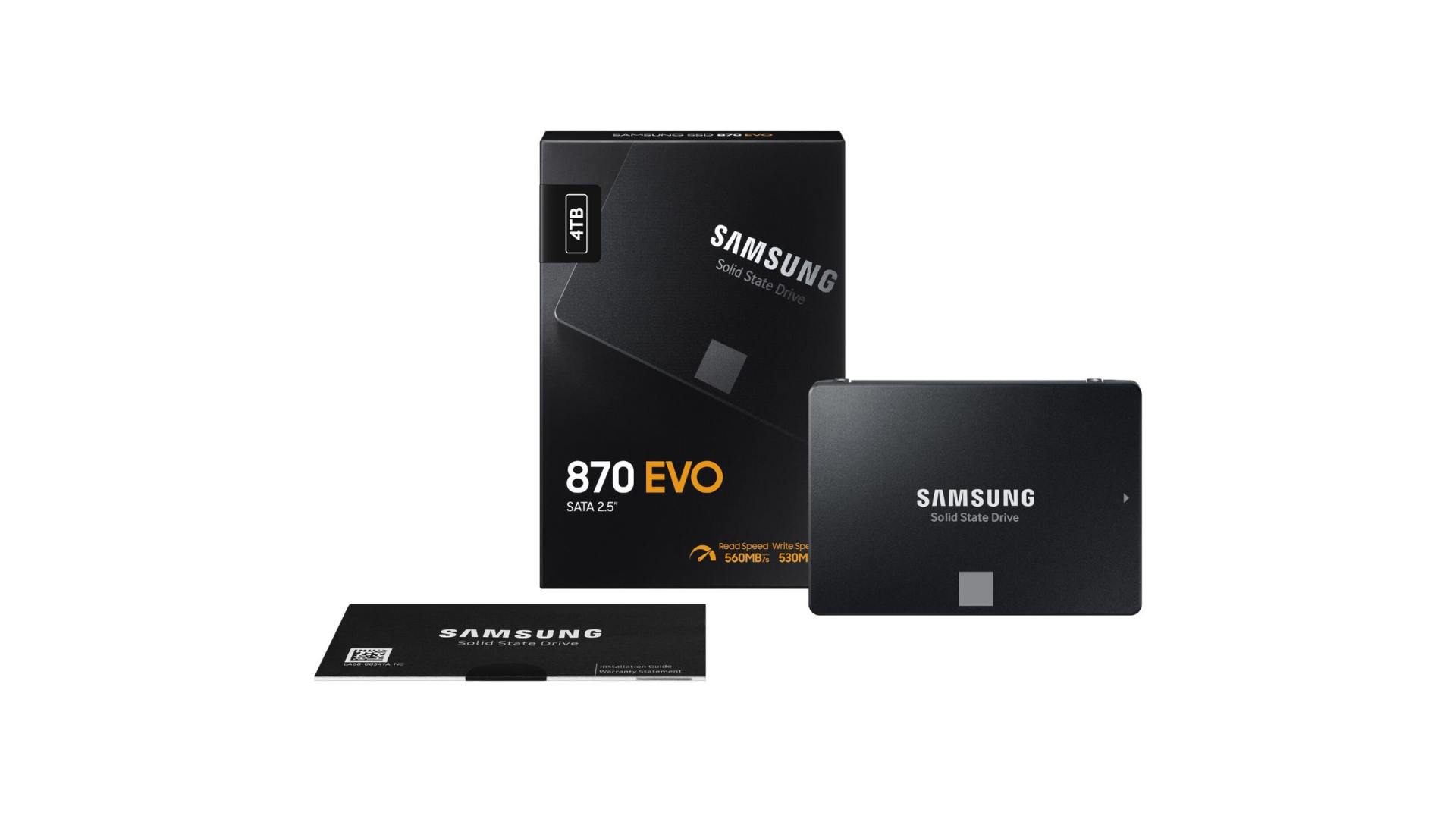
[Samsung](https://click.linksynergy.com/deeplink?id=2bEJdar9NO4&mid=53591&murl=https%3A%2F%2Fwww.samsung.com%2Fuk%2F) is reportedly preparing to wind down its SATA SSD business. According to a prominent hardware leaker, the impact could be far worse for consumers than Micron's recent decision to step back from the consumer RAM market under the Crucial brand.
The claim comes from Tom, host of the Moore's Law Is Dead YouTube channel, who says multiple independent sources across distribution and retail have confirmed Samsung's long-term exit from SATA SSD production. If accurate, this would mark a quiet but significant shift in the consumer storage market, one that could put sustained upward pressure on SSD prices for up to 18 months.
This warning arrives alongside another report that Samsung has already raised DDR5 memory prices by as much as 60%, adding to concerns that memory and storage costs are entering another inflationary cycle.
SATA isn't dead, even if enthusiasts moved on
Among PC enthusiasts, SATA SSDs are often dismissed as outdated, especially next to fast NVMe drives. But sales data tells a different story. SATA SSDs still account for a meaningful portion of consumer demand, particularly among budget buyers, laptop upgrades, and businesses refreshing older systems.
Tom points out that roughly [20% of Amazon's top-selling SSDs are still SATA-based](https://amzn.to/4pNXTz1). Samsung models make up a noticeable share of that group. These aren't impulse buys from power users. They're practical purchases from people who want a reliable upgrade that works in existing hardware.
Removing a supplier of Samsung's scale from that segment doesn't just affect niche buyers. It shrinks the overall SSD supply.
Why Samsung's exit matters more than Micron's
Tom argues that this situation is fundamentally different from Micron's decision to end its Crucial-branded consumer RAM lineup.
Micron, like Samsung and SK Hynix, already supplies DRAM chips to a wide range of third-party memory brands. Even if Crucial disappears from store shelves, Micron-made memory still reaches consumers through companies like G.Skill, Corsair, and ADATA. The branding changes, but the underlying supply remains the same.
Samsung's exit from SATA SSDs is not a branding shuffle. According to Tom's sources, Samsung plans to stop producing SATA SSDs entirely after fulfilling existing contracts, rather than continuing to sell the same NAND through alternate consumer labels.
That means fewer finished drives entering the market. Not renamed products. Not redirected inventory. An actual reduction in available units.
How reduced SATA supply affects all SSD prices
When a large supplier withdraws from a high-volume segment, the effects ripple outward. Even buyers who never planned to touch a SATA drive may feel it.
With less SATA inventory available, buyers who usually choose cheaper SATA options may be pushed toward entry-level NVMe drives instead. That increases demand pressure on NVMe models, tightening supply there as well. The result is higher prices across the board, at least in the short- to medium-term.
Tom also warns of another familiar force: panic buying. Businesses, system integrators, and IT departments that still rely on SATA could accelerate purchases once they sense scarcity. That behaviour tends to exaggerate price spikes, especially during transition periods.
This concern aligns with comments from memory industry veteran Dave Eggleston, who told Tom on a recent podcast that NAND SSDs could be the next major PC component to see notable price increases.
Timing and duration of the price pressure
According to Tom, the pricing impact could last up to 18 months, potentially longer if other manufacturers adjust output quickly and demand softens. Unlike DRAM, where production can be redirected more flexibly, finished SSDs involve controller choices, validation, and logistics that take time to rebalance.
Looking further ahead, Tom says industry forecasts suggest pricing pressure could ease again around 2027. That timing lines up with expected shifts back toward consumer-focused hardware, driven by local AI workloads, next-generation consoles, and systems that require both fast SSDs and large memory pools.
Even so, he's clear about one thing: the era of cheap [Samsung SATA SSDs](https://amzn.to/3MAtFAU) is likely over for good. Even if prices stabilise later in the decade, Samsung is unlikely to return to the segment in a meaningful way.
What this means for consumers now
For everyday buyers, the takeaway is simple. SATA SSDs are still relevant, and losing a major supplier matters. If Samsung follows through on this exit, SSD prices may not spike overnight, but gradual increases and fewer good deals are a realistic expectation.
For anyone planning storage upgrades for older systems or bulk deployments, waiting may not lead to better prices. In this case, the slow disappearance of a "boring" product category could end up costing consumers more than the loss of a popular brand name ever did.